
Becoming
Catholic
If you’re looking to find out more about the Catholic faith…
You’ve come to the right place.
Becoming Catholic
Program
The Catholic Church has a special way of initiating adults into the Catholic faith. In our parish we call it the Becoming Catholic program; officially it is called the Rite of Christian Initiation of Adults (RCIA).
Becoming Catholic is a period of Christian formation offered to those seeking to become Catholic. It takes place within a parish community so you can experience the life of the church in a local setting. Through it, one grows in knowledge of Christ and the Catholic faith alongside others on a similar journey.
The Becoming Catholic formation period starts in July. We meet every fortnight and pause lessons over the school holidays.
The program will begin assuming that a participant is an ‘enquirer,’ that is, someone enquiring and learning more about the Catholic faith before making a commitment.
At a later point in the program those participants who desire to become Catholic will formally elect to do so at a Sunday Mass. There is no obligation or pressure to become Catholic. If someone needs more time to reflect, pray, and think about their decision to become Catholic—that is a wise thing to do.
Those seeking baptism and reception into the Church are baptised, confirmed, and receive Holy Communion at the Easter Vigil Mass—a joyful and momentous occasion.
Becoming Catholic is for:
Those who have never been baptised.
Those who have been baptised in a Christian denomination and wish to become Catholic.
Those who were baptised Catholic but need to receive the other sacraments, like Reconciliation, Confirmation, and Holy Communion.
Long time parishioners. Even those who have been Catholic their whole life and have received all the sacraments benefit from the program.
Lesson Structure
Friendship
The lesson starts in the parish hall with time to get a tea or coffee and catch up with your classmates.

Learning
We dive into the topic for the week, talk about the homework video we watched in preparation for the class, and ask lots of questions!

Prayer
We head over to the church and explore forms of Christian prayer that help us hear God’s voice in our lives. Prayer is the most important part of Christian formation.

Class Timetable
6:00pm
Classes begin at with tea, coffee, and a chat with our classmates. It’s important to get to know one another!
6:20pm
Drawing from the homework videos for that week, we enter a discussion on the topic of the video. Each participant is invited to name something he or she learned from the video and offer some thought or reflection on the topic.
Your participation is very important and it is helpful for others to hear your thoughts. This is a place where we are all learning and we are free and safe to contribute our thoughts. In fact, if you have a particular thought, reflection, or question, chances are others have the same!
7:00pm
We move to the church and begin our group prayer.
7:30pm
The class ends.
Schedule & Lessons
-

Lesson 1—Introduction & Welcome
DATE
This first lesson of our Becoming Catholic program is a very gentle first step.Today we will meet our classmates and get comfortable with our surroundings. We will review our plan going forward and look at how to access the homework videos to prepare for classes. We will reflect on what brings us to here to Becoming Catholic and discuss the necessity of coming to Mass every week.
As a first step, we will talk about the Trinity and what this interesting word means.
Prayer: When we enter the church for our group prayer this week we will learn some basic catholic prayers like the Sign of the Cross, the Our Father, the Hail Mary, and other prayers too. We will also learn the difference between vocal prayer, meditation, and contemplation.
-

Lesson 2—The Existence of God & Faith
DATE
Can we really know if God exists? What is faith? The homework videos this week are a selection of YouTube videos exploring both of these interesting questions. Much of this material is drawn from philosophy—philosophy being just thinking really hard about things. While this is very ‘heady’ material it’s important to see how seriously people take these questions.Prayer: When we enter the Church for our group prayer this week we will learn how to pray the Examen prayer. The Examen is a way of praying developed by St. Ignatius of Loyola which helps us to notice God’s presence and action in our day.
-
Lesson 3—Church Excursion
DATE
In this lesson we take a tour through the church and learn about the various things we see in a Catholic church. We will learn about the sacred vessels used at Mass and the vestments the priest wears. We will learn what holy water is and how to use it. We will learn how and why we genuflect. We will smell the incense used at Mass and spend some time understanding the different areas of the church.We will also learn proper church etiquette—how to dress for Mass, how to move about a church while being considerate of other people praying.
Prayer: This week we will pray the Stations of the Cross together. The Stations of the Cross is a meditative, devotional method of prayer which uses the pictures on the walls of the Church to help a person meditate on the last hours of Christ’s life.
-
Lesson 4—Divine Revelation: God Seeking Us
DATE
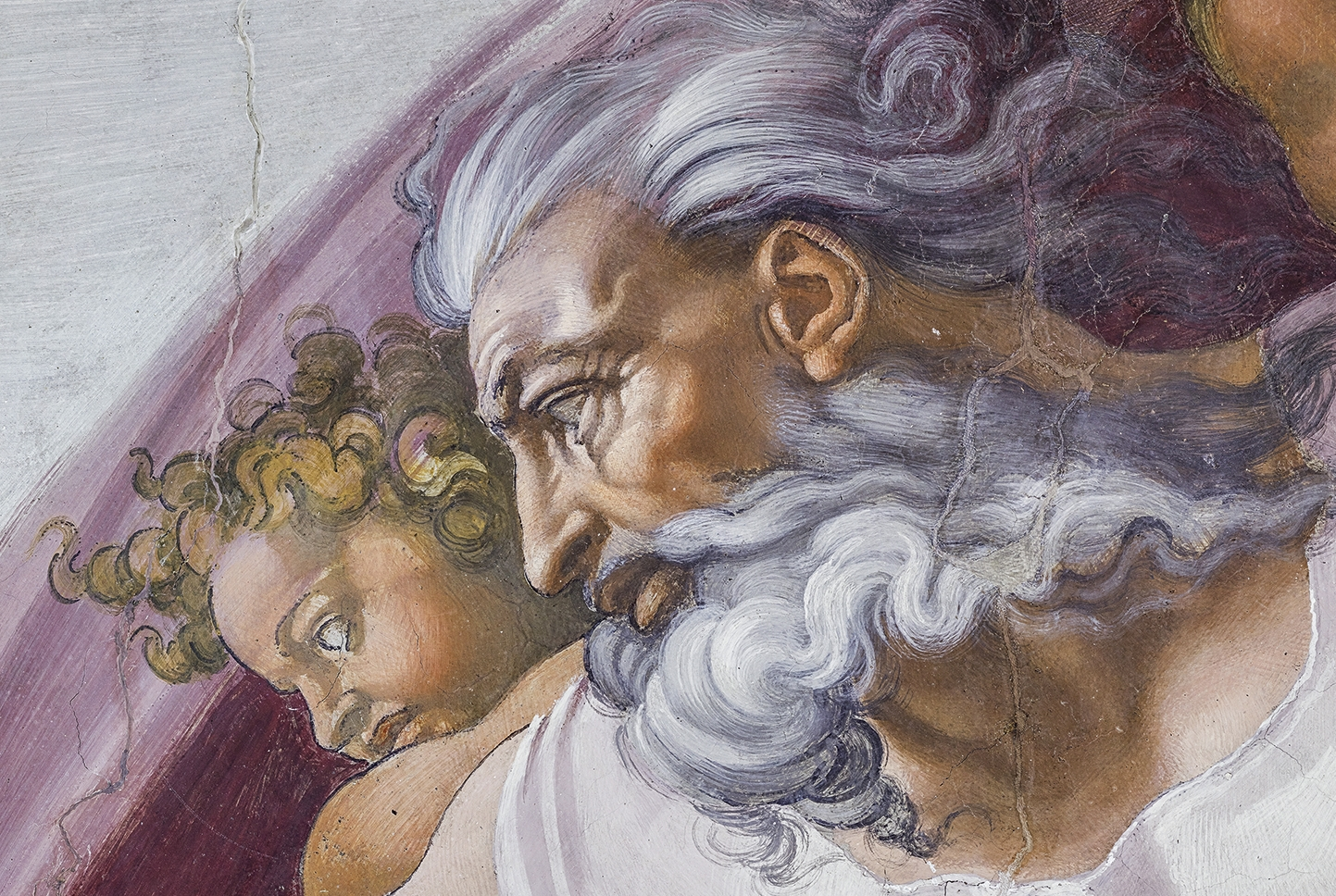
Do we decide ourselves what is true, or what is morally right or wrong? Or is the ‘revealed’ by God? In this week’s lesson we see that God loves us too much to leave us to our own devices. Instead, He lovingly reveals Himself and showed us the truth and His plan for our lives by sending His Son, Jesus Christ, as the fullness of His divine disclosure. This week we will explore the ways in which God has revealed Himself to us through Sacred Tradition, the Sacred Scriptures and the Church’s Magisterium.Prayer: This week we will enter the church and pray a guided Examen together.
-
Lesson 5—The Bible
DATE
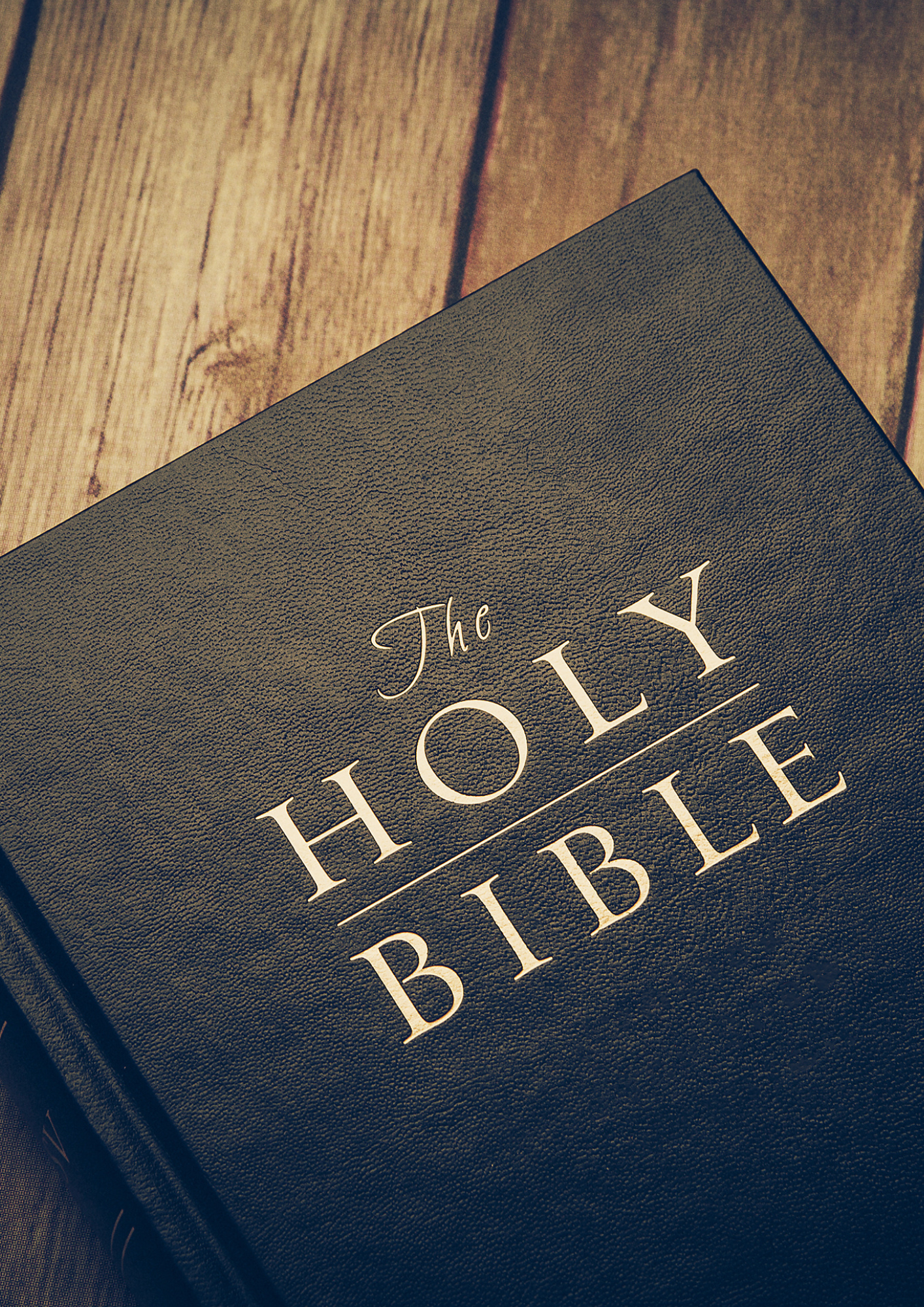
What is the Bible? Why is there so much emphasis on it? Is the Bible more than just a collection of ancient writings, more than simply an important historical document to be appreciated but ultimately dismissed? Is it possible that God reveals His truth to us through Sacred Scripture? If so, what does that really mean for our faith?
Prayer: After our group discussion we will head into the church and practice a method of prayer called Lectio Divina (Divine Reading). Lectio Divina is the practice of praying with the scriptures (the Bible) to hear God’s voice and deepen one’s relationship with Him.
-

Lesson 6—The Story of Salvation
DATE
The story of salvation assures us that there is a purpose to our lives. It tells us that we aren't merely spectators to the passage of time but that we each have God-given roles to play in that story which continues to unfold. The reality is that God's story of love isn't complete without each one of us. What's your role in this great story? Are you ready to accept it? These are some of the important questions we will explore in this week’s session on the story of salvation.
Prayer: After our group discussion we will head into the church and together and learn why we light candles at the votive candle stands. We will also learn about the Catholic practice of ‘Paying a visit,’ that is, popping into a church now and then through the day just to say hello to Jesus.
-
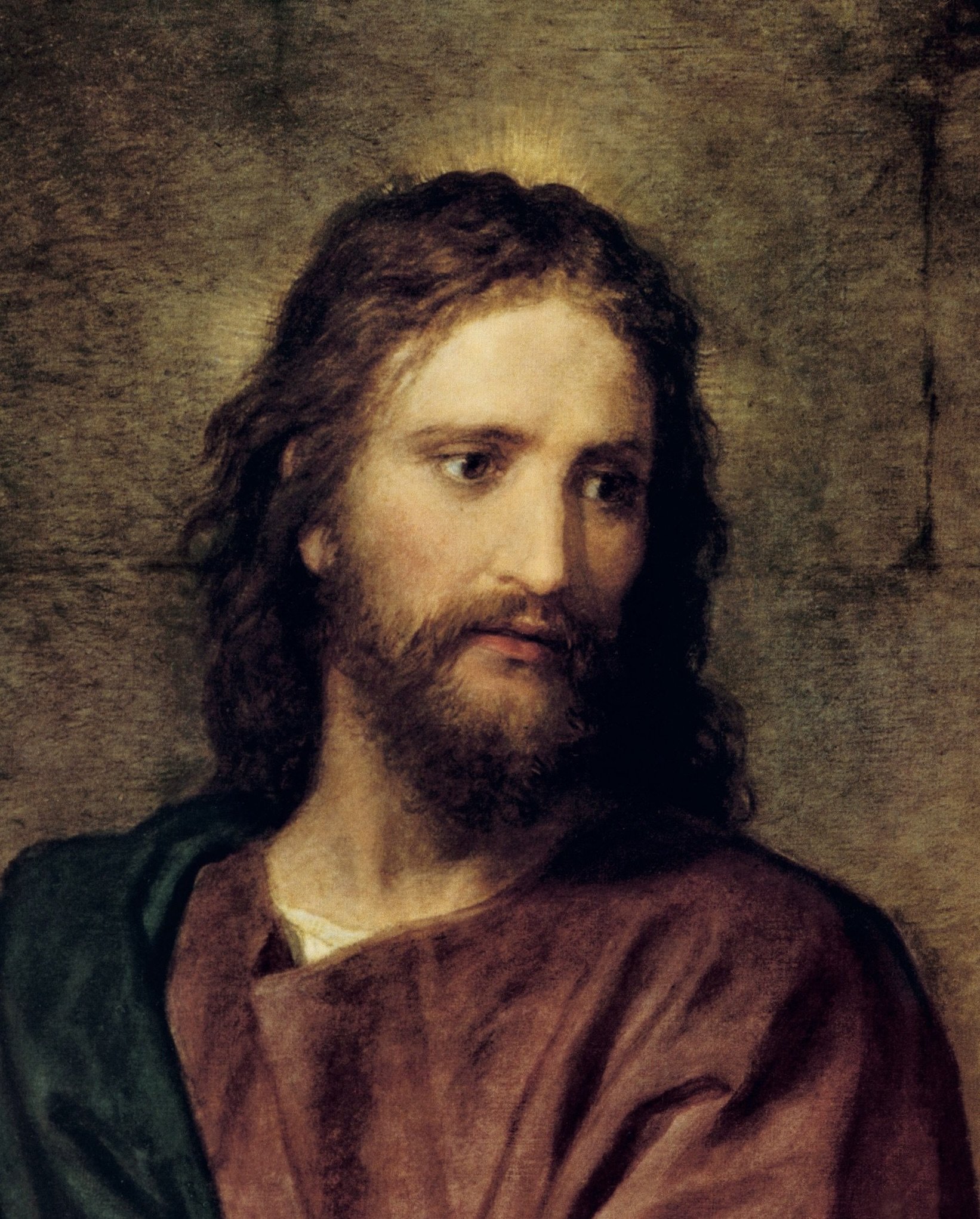
Lesson 7—Who is Jesus? Just a Good Man, or Lord of our Lives?
DATE
Many people today view Jesus as just one of the many great moral and religious teachers the world has offered. But Jesus himself claimed to be much more than that. Jesus claimed to be God. As Christians what does it really mean to say that Jesus is true God and true man? What does it mean for God to become incarnate?
Prayer: After our group discussion we will head into the church and together learn about the Jesus Prayer. We will also have an opportunity for, and learn the importance of spiritual reading.
-
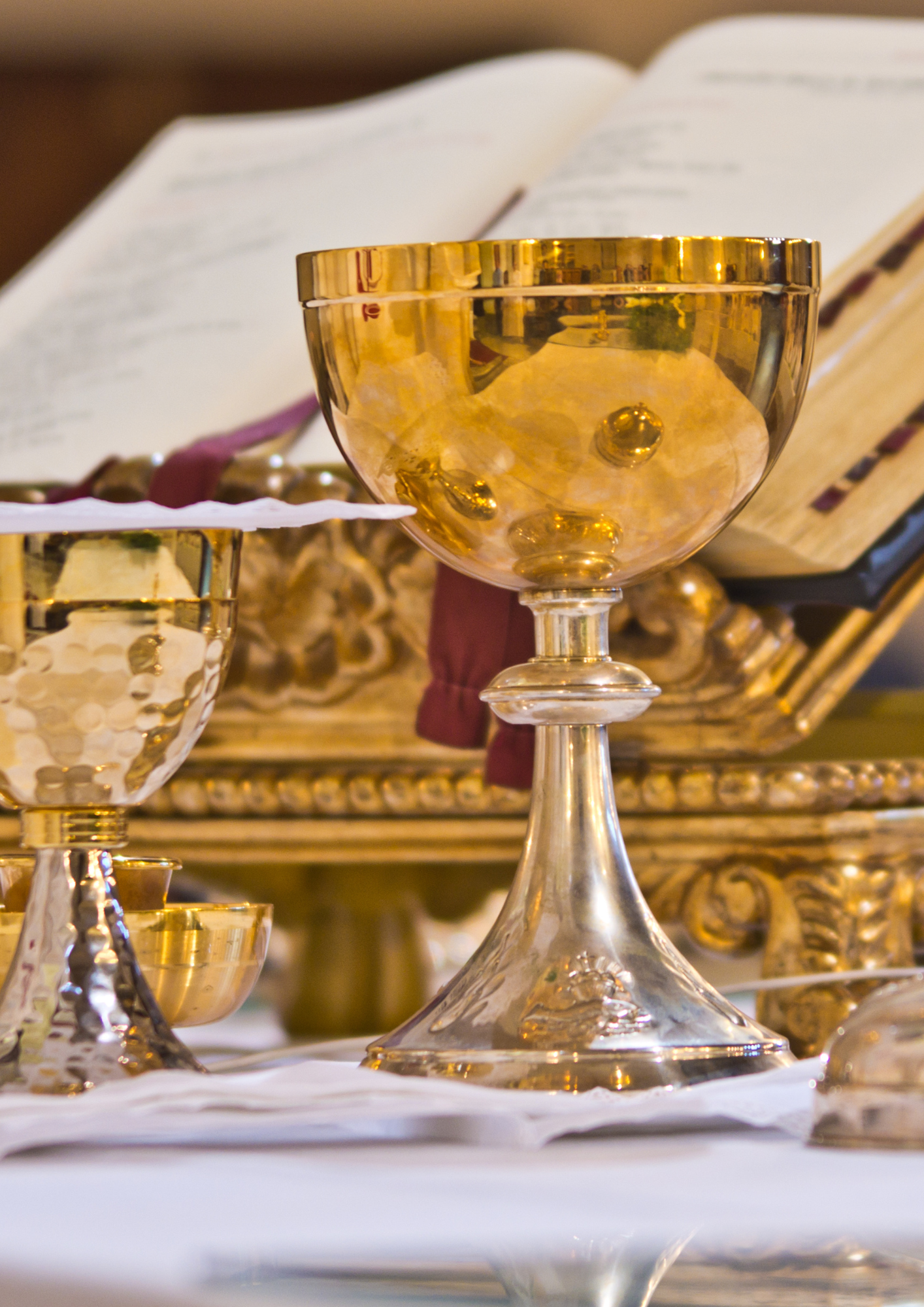
Lesson 8—A Walk Through the Mass
DATE
Each Sunday Catholics gather together to celebrate the Mass, the central act of worship that makes Christ’s sacrifice on Calvary present to us. With the entire Church, we enter sacred rites that date back to the time of the Apostles. In the Mass God’s revelation is proclaimed through the scriptures and we partake in the Body and Blood, soul and divinity of the Lord in Holy Communion.
This week we will look at the ancient origins of the Mass as described by an early Saint named St. Justin Martyr, we will look at what a Missal is (the book some people use at Mass); and the modern equivalent app available on smartphones.
Prayer: After our group discussion we will head into the church and learn what the Liturgy of the Hours is, and pray it together.
-
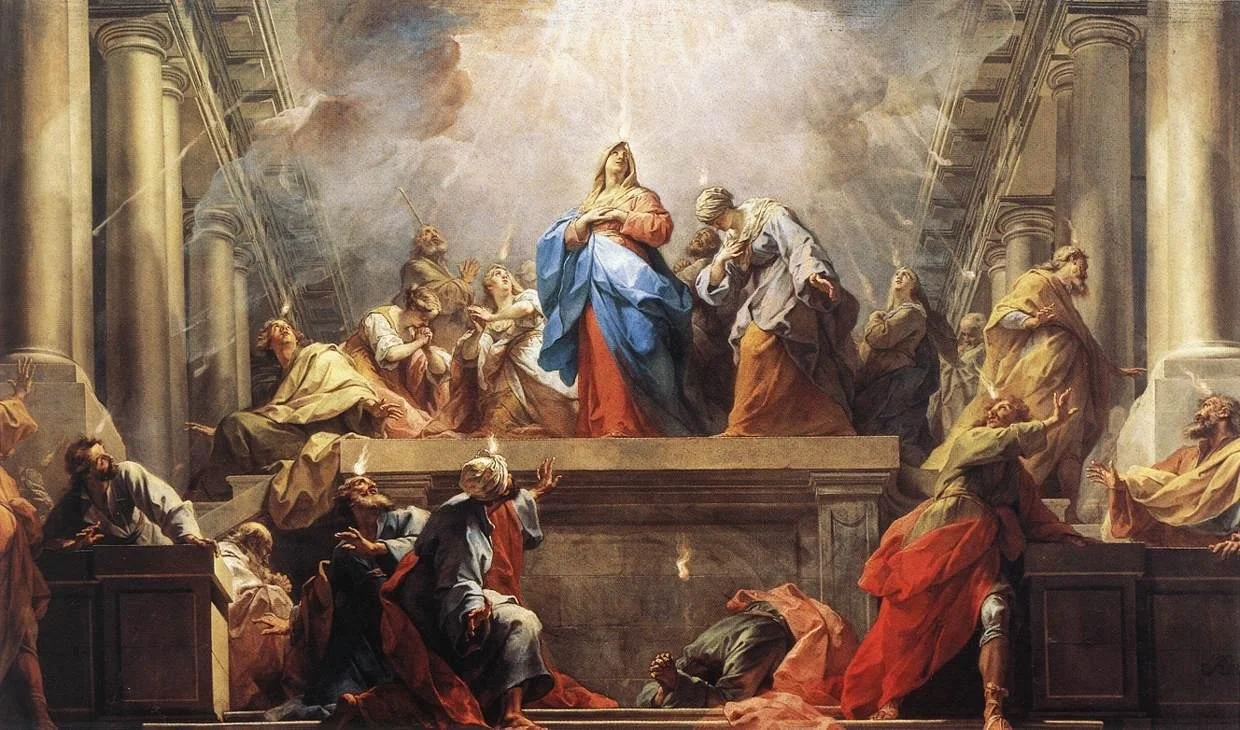
Lesson 9—The Holy Spirit & the Life of Grace
DATE
Who is the Holy Spirit? How does the Spirit work in our lives and in the life of the Church? Why is it so important that we know and love Him?
Sent by the Father and Son, the Spirit builds up the Church, reveals Christ, and purifies our hearts. Received in Baptism and Confirmation, the Spirit makes a home in the soul and empowers believers to live out their vocation.
Prayer: After our group discussion we will head into the church and pray a guided Examen.
-
Lesson 10—The Mystery of the Catholic Church
DATE
Though Jesus saves us as individuals, He calls us to live out our salvation as members of a communion of believers. But that can be hard if we don't understand what the Church is and what it is meant to be. Why does the Church claim to have authority over what Catholics believe? How do we reconcile both the divinity and humanity of the Church that Christ himself created? Why is the Church essential to the life of every believer?
Prayer: After our group discussion we will head into the church where we will learn about the Nativity Scene and its origins, we will learn to pray with statues and votive candles, and we will learn about the practice of ‘paying a visit’ to the Lord by dropping into the church during the day.
-
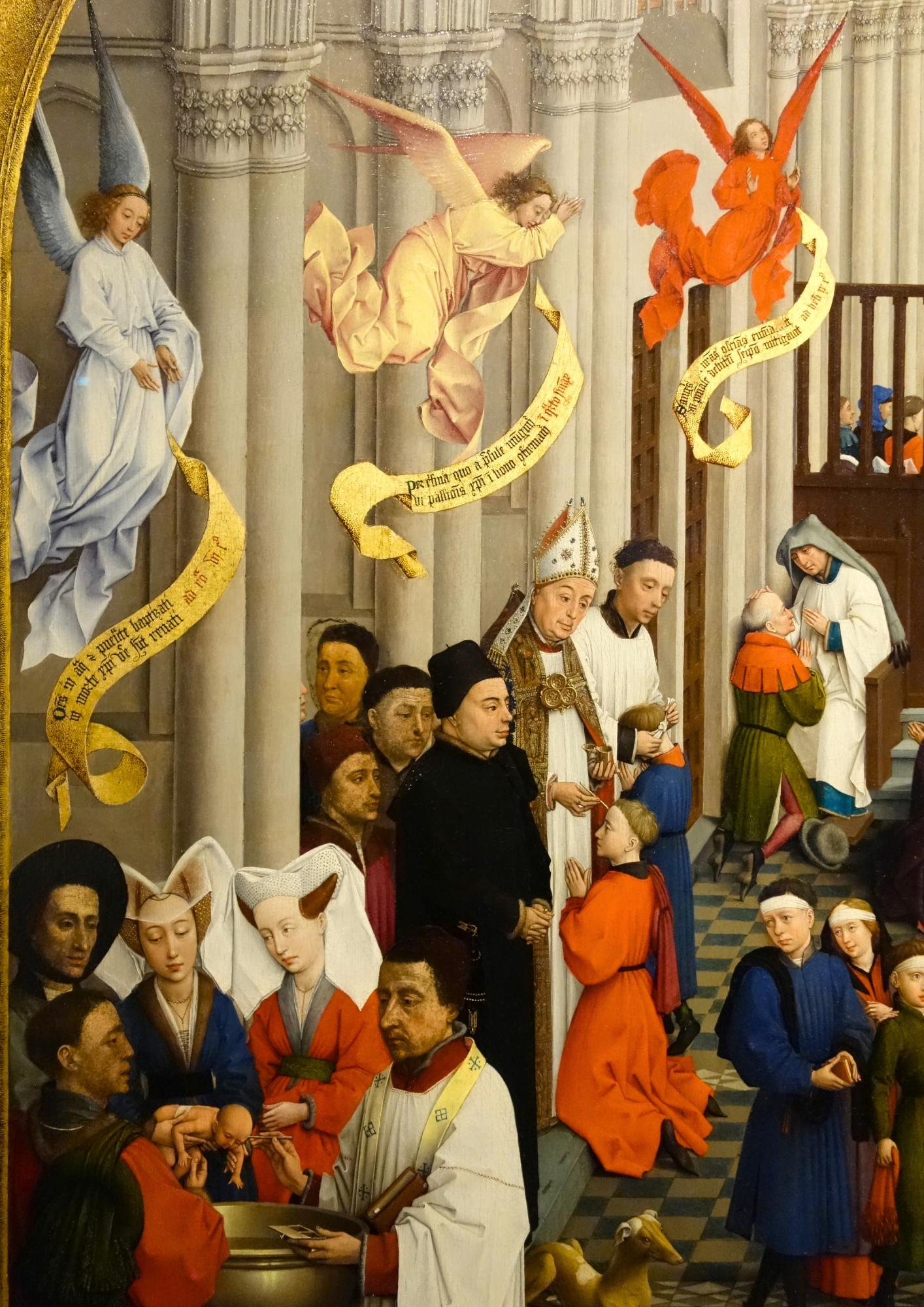
The Sacraments
CHRISTMAS HOLIDAY HOMEWORK
The word ‘sacrament’ is a new word for most of us but an important one going forward.
As a primer: The sacraments are efficacious signs of grace, instituted by Christ and entrusted to the Church, by which divine life is dispensed to us. The visible rites by which the sacraments are celebrated signify and make present the graces proper to each sacrament. They bear fruit in those who receive them with the required dispositions.Catechism of the Catholic Church, 1131.
In other words, the sacraments are visible rituals with words and actions that Jesus Himself instituted. While symbols in these rituals are used, these symbols are understood to be efficacious, that is, they bring about an effect. And what effect to they bring about? They communicate grace, that is, God’s own life and holiness to us when we are well prepared and disposed to receive them.
-
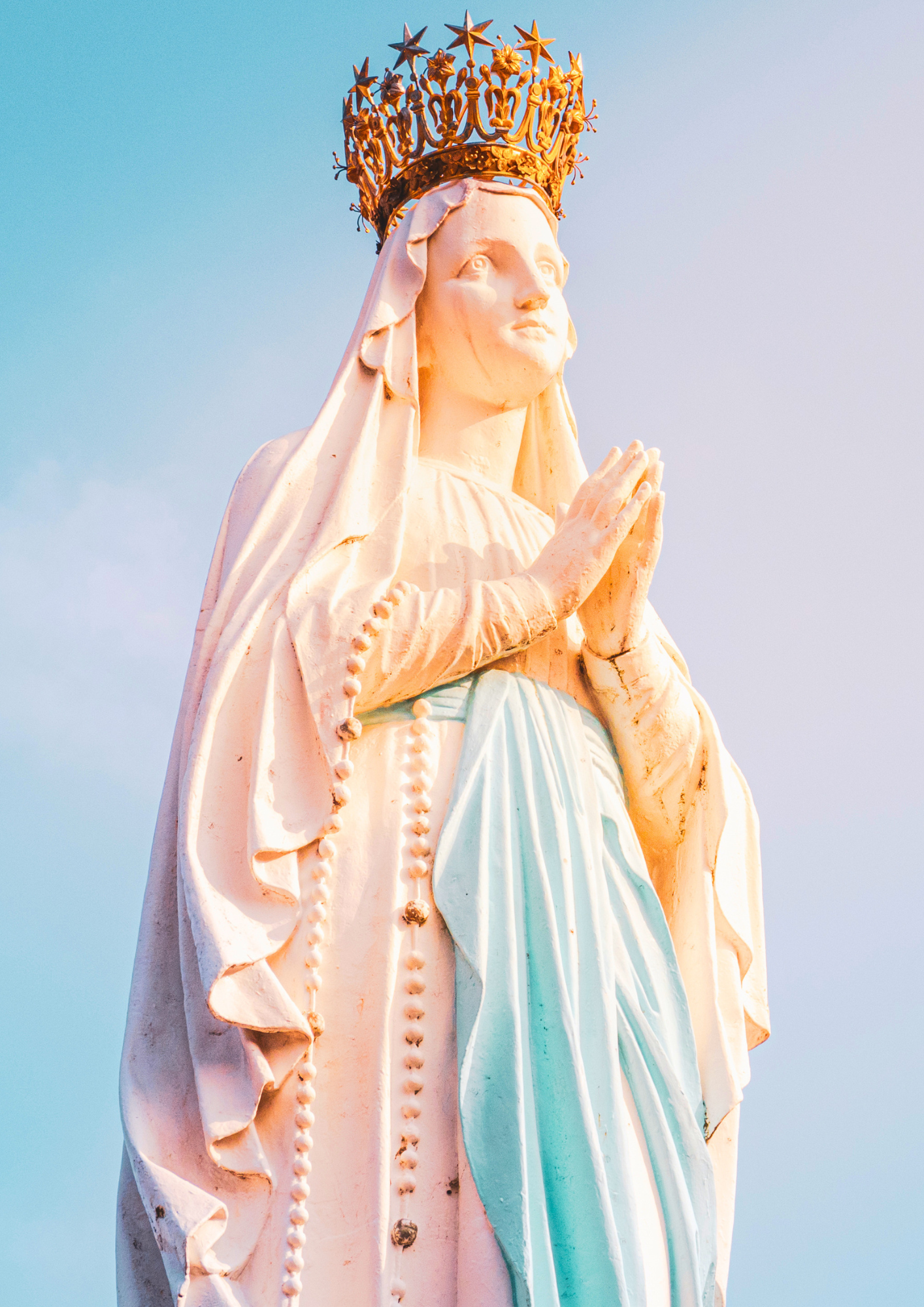
Miracles
CHRISTMAS HOLIDAY HOMEWORK
Some people feel uneasy when the issue of miracles arises, others get excited. In the glossary of The Catechism of the Catholic Church, a miracle is defined as: A sign or wonder, such as a healing, or control of nature, which can only be attributed to divine power.
There are many miracles to investigate but the three that we will look at are:
The Shroud of Turin
Our Lady of Guadalupe
Our Lady of LourdesPlease read the online magazine article and watch the YouTube videos at your leisure.
-
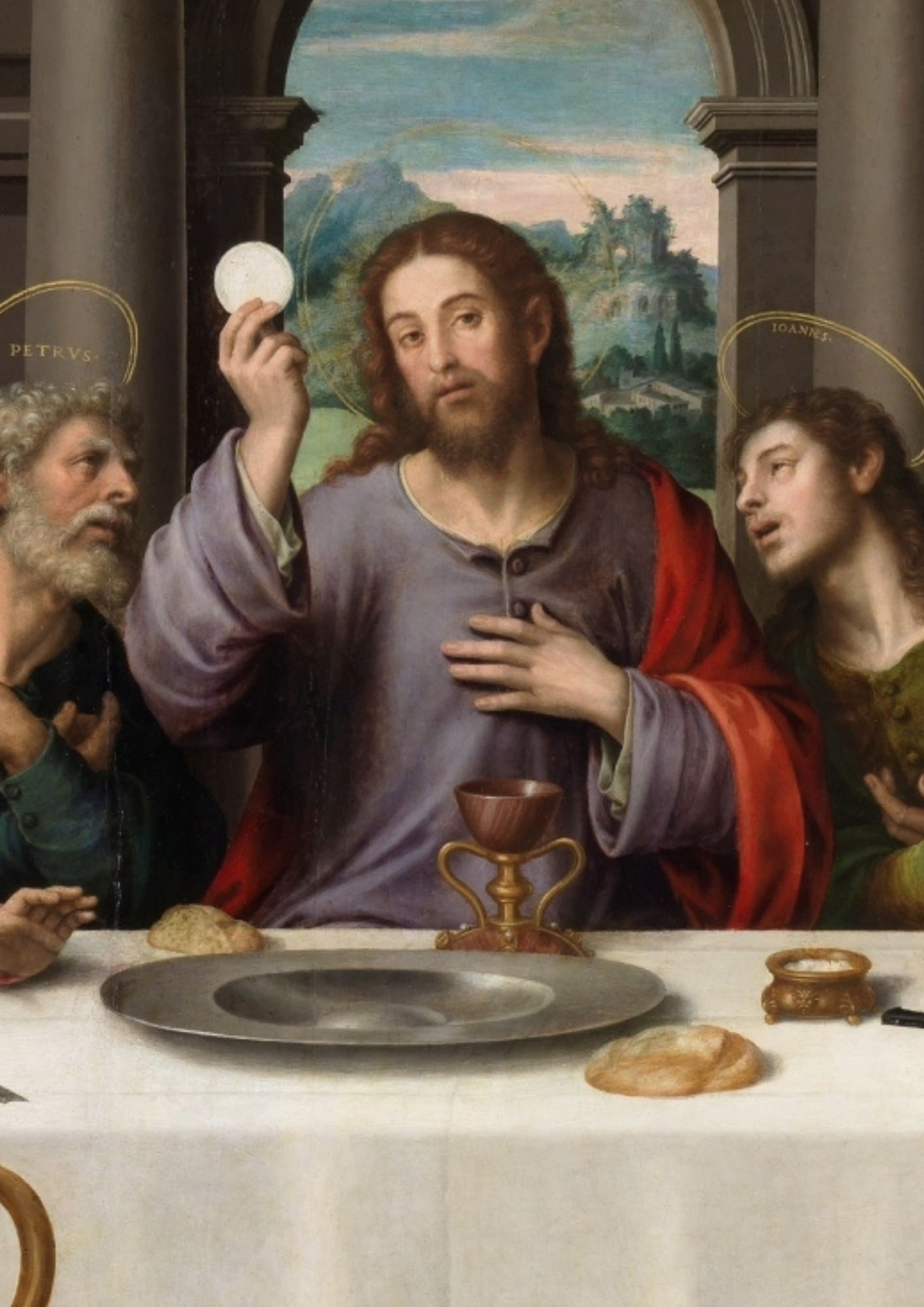
The Holy Eucharist
CHRISTMAS HOLIDAY HOMEWORK
This is where the rubber meets the road. This is the great secret of the Catholic faith. God is with us, God is truly with us.
You are now invited to begin to contemplate the greatest mystery of faith; the mystery that changes people’s lives and the whole world. The mystery of the Holy Eucharist.
For those who can accept and truly believe this most sublime mystery, everything changes. This mystery is arguably the most difficult for people to believe, but it is true. This truth challenges perception and reason but at the same time communicates the purest love and closeness of God.
No words can prepare anybody for the mystery of the Eucharist. To accept it fully and completely is a sign that God has worked a wonder in one’s life.
-
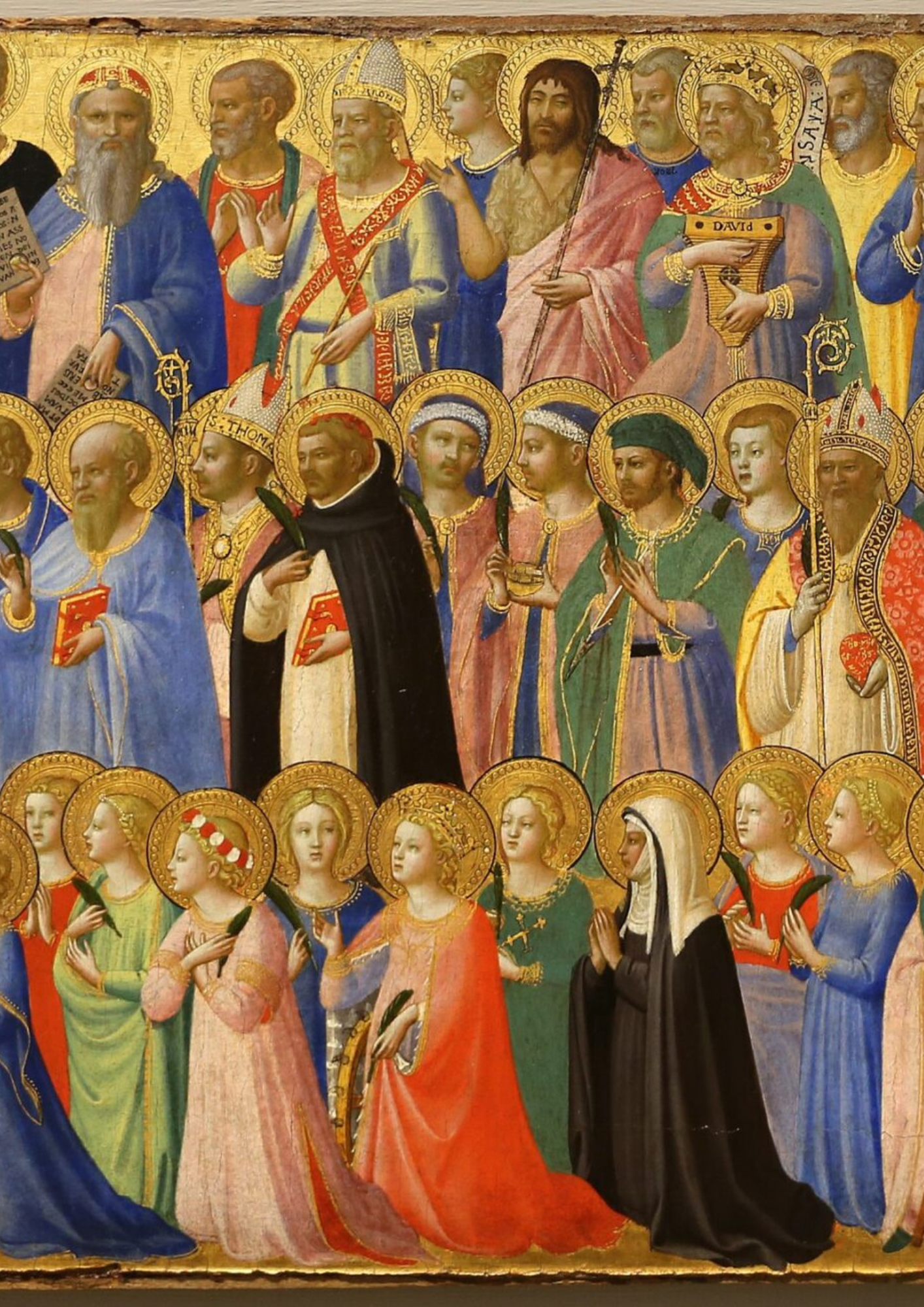
Lesson 11—Mary our Spiritual Mother and the Communion of Saints
DATE
What do we think of Mary, the Mother of Jesus, and how does our relationship with her impact our relationship with her Son?
What is the connection between our understanding of Mary and the rest of the Saints? Why do we ask Mary and other "dead people" to pray for us?
The answers to these questions serve to give us a framework for the Catholic Church's teachings on life after death and what we call "The Communion of the Saints."
Please begin to think about who you intend to choose as a Confirmation Saint.
Prayer: After our group discussion we will head into the church and together learn what Litanies are, and then we will sing the Litany of the Saints together as it will occur at the Easter Vigil.
-
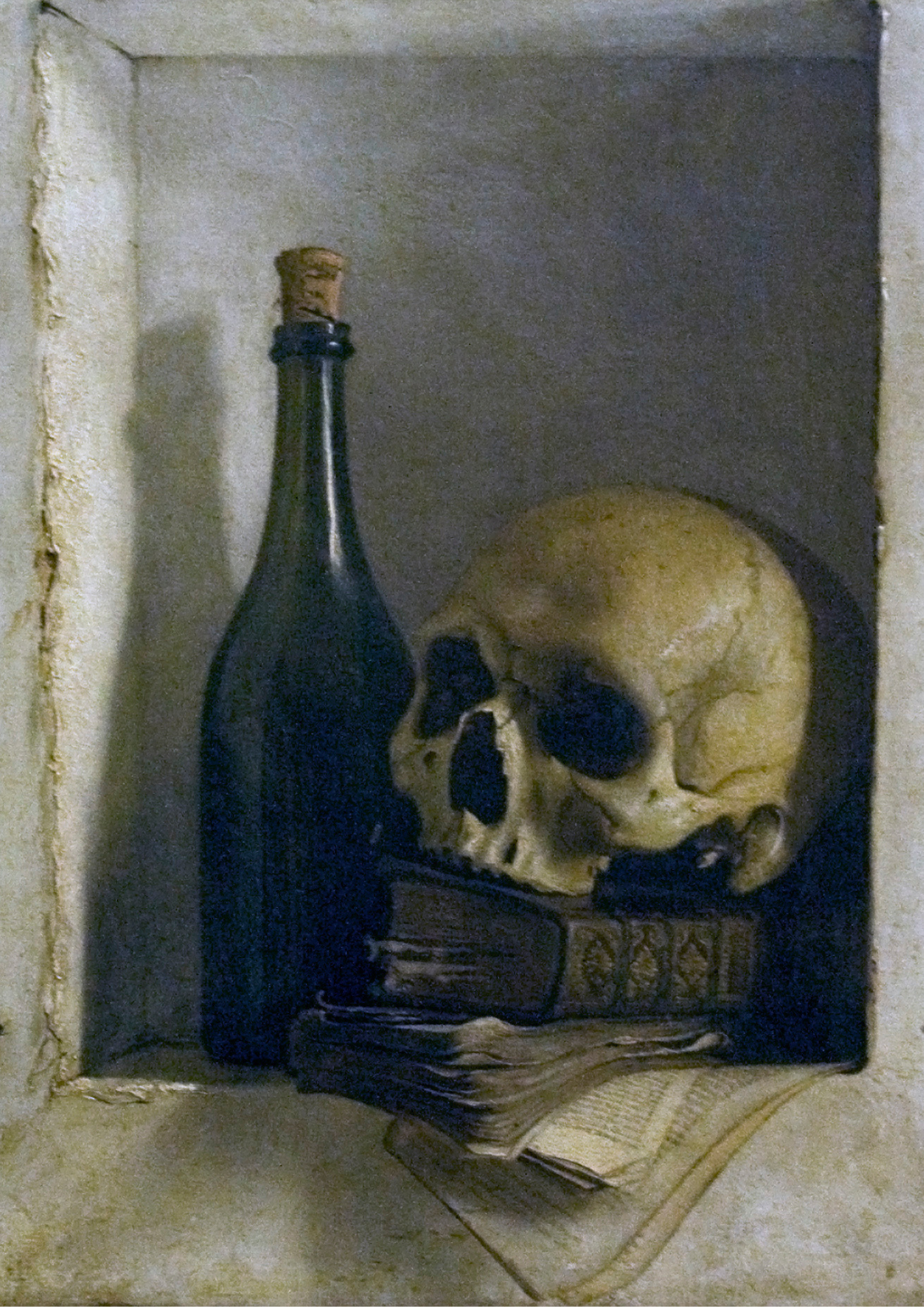
Lesson 12—The Last Things: What Happens After We Die
DATE
What happens after we die? What does the Church really teach about death, judgment, Heaven, and Hell? It's time to separate the myths from the reality.
Today we will learn what Heaven and Hell is, and we will learn about the often misunderstood doctrine of Purgatory. We ill learn about praying for souls of the dead, and learn about Mass offerings.
Prayer: After our group discussion we will head into the church and together pray for the Holy Souls in Purgatory.
-
Entry into the Catechumenate
DATE
Those enquirers who desire baptism and reception into the Church formally and publicly elect to become Catechumens and Candidates at the 9:30am Morning Mass.
-
Ash Wednesday
Wednesday 10th February 2027
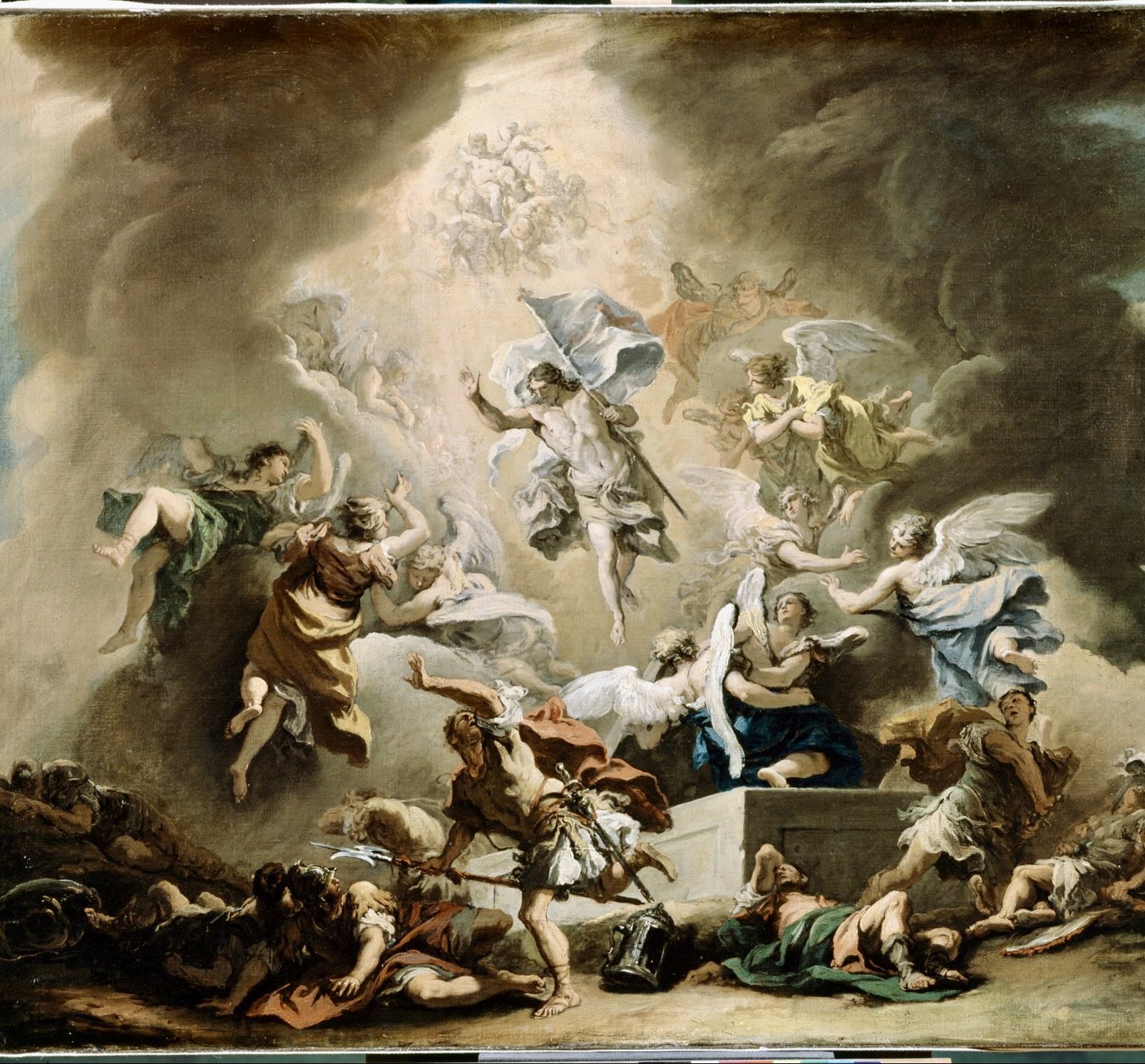
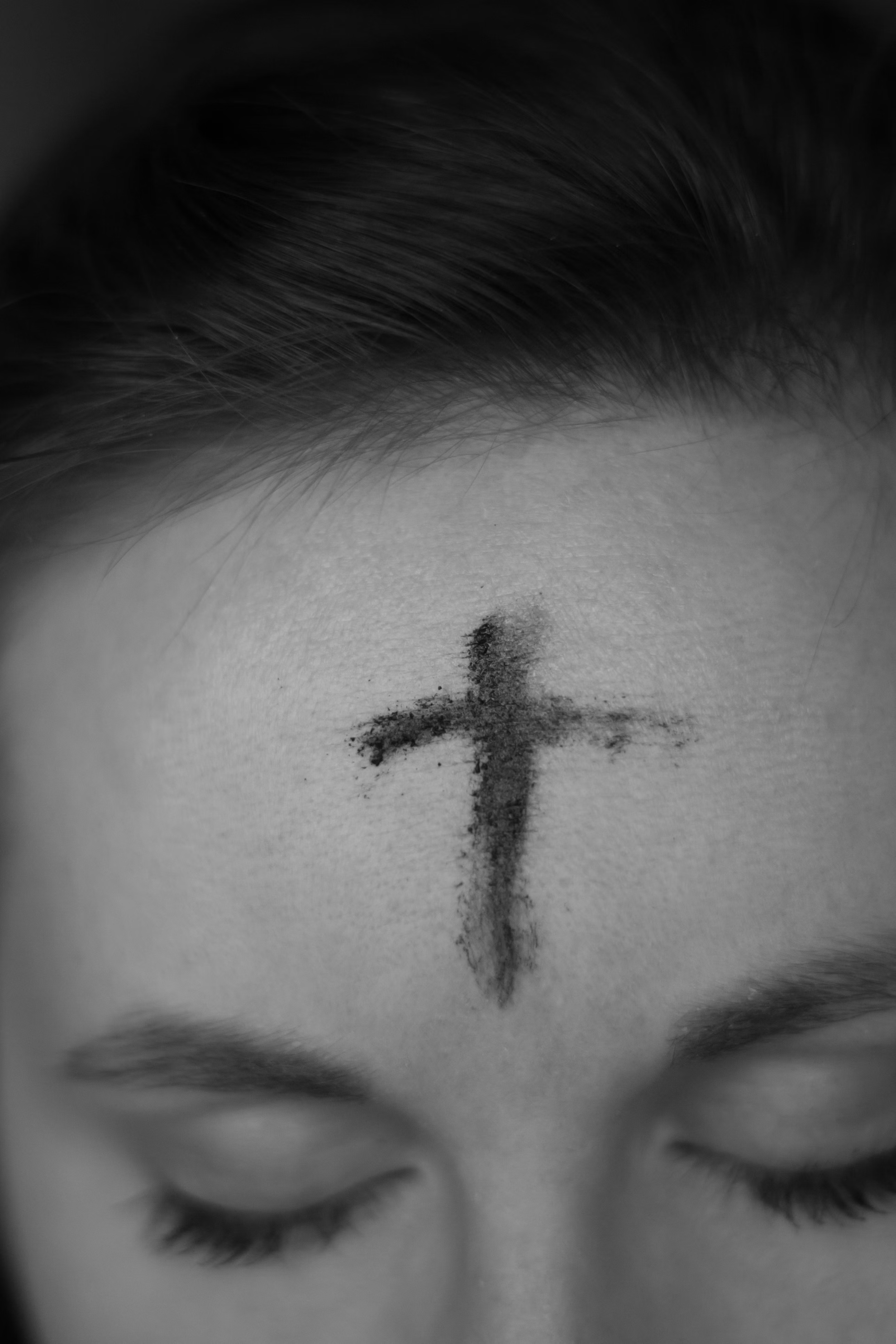
Ash Wednesday is the day that marks the beginning of the season of Lent—the penitential season that prepares us for Easter when we celebrate Christ’s Resurrection from the dead; and the baptism and reception of our catechumens and candidates into the Church.
As Easter is now very close, Becoming Catholic lessons and events will become more frequent. You are invited to attend an Ash Wednesday Mass and present yourself to receive ashes on your forehead. As you do, you will hear the priest say: ‘Remember you are dust, and to dust you shall return.’ In this way, we recall the temporal nature of our mortal life and the eternal nature of our spiritual life. We receive ashes on our foreheads as a act of repentance, an act of turning to God and being sorry for our sins in preparation for Christ’s Resurrection at Easter which enables our own resurrection to new life in Christ.
-
Rite of Election
DATE
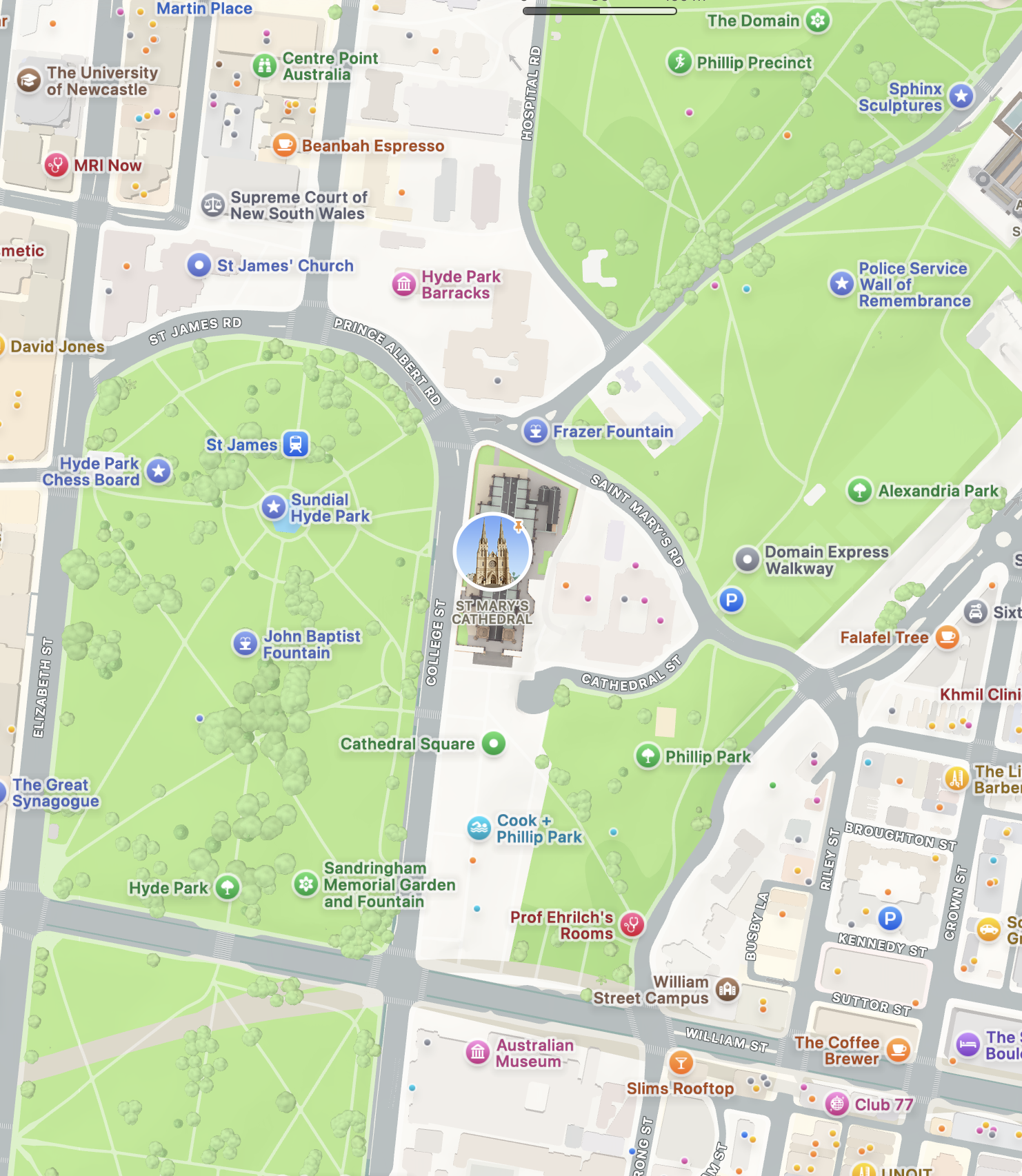
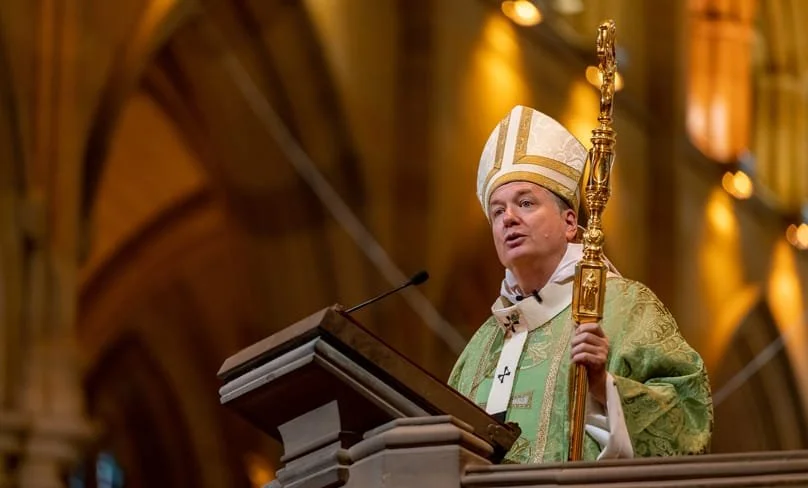
The Rite of Election is an important spiritual step in becoming Catholic. It is a ceremony at which Archbishop Anthony Fisher, the head of the Church in Sydney, is presented with the new catechumens & candidates. The Archbishop will accept the catechumens and the candidates for baptism and reception into the Church.
-
Lesson 13—Baptism & Confirmation
DATE
Most of us are familiar with the word "sacrament." We participate in sacramental rites often as Catholics. But do we understand what a sacrament is—and what it means for us and our everyday lives?
Schedule & Lessons
For the schedule of dates we meet, a rundown of what we will learn, and access to lesson videos, please click the button.
Homework Videos
In preparation for class each participant is asked to watch videos that correspond to the topic for that week.
Sometimes these are YouTube videos, but generally the videos are part of a faith formation program called Symbolon.
Symbolon is watched on a website called FORMED—the equivalent of Catholic Netflix. So just as you might watch a program on Netflix, you watch Symbolon on FORMED.
Our parish of St. Michael’s has an account with FORMED so you get free access to the videos.
Watching the Symbolon homework videos is easy!
Go to formed.org/signup
Enter your email and click "Next"
Enter your name, agree to the Terms of Use, and click "Sign Up"
Select your parish by entering the parish post code 2066, then click "Sign Up"
You will then be taken to the main FORMED site and will be able to access all the content—including the Symbolon homework videos.

Frequently Asked Questions
-
Yes, you need to be attending Mass every Sunday.
There is a Church rule that all Catholics must come to Mass every Sunday (or a Saturday Vigil Mass). This is not an imposition, this is not an inconvenience, this is not a rule that ties us down. Coming to Mass is our life, it is oxygen, it is being fully human. We are made to worship God. We come to Mass every Sunday because we are made for this and by doing it, we become who God made us to be.
It is also important that as a big family (the Catholic Church is God’s big family), we spend time together as a family and worship God. This time together makes us stop, and enjoy time with God and with one another.
If you desire to become Catholic then now is the time to begin to live like a Catholic. Now is the time to build good habits so that at your baptism or reception into the Church those good habits are in place and you are already living a Catholic life.
Attending Mass only now and then is not enough. In order to grow and mature in your spiritual life, praying every day and going to Mass every Sunday is essential.
If attendance at Mass every Sunday is too onerous at the moment, it would be better to defer baptism and reception into the church until a time when you are better placed to fully enter into the life of the Church.
-
It can feel very strange coming to a Catholic Mass and being exposed to all these unusual signs and symbols.
All the gestures, and movements, and symbols are ways of worshiping God and praying. And you needn’t worry, the significance of these will be explained in our classes.
So in the meantime, you are invited to do them, feel them, experience them, enjoy them! Copy the people around you. The more you do them, the more natural they will feel—and they will help to enmesh you into Catholic culture.
If you begin to embrace these gestures, and movements, and symbols now, over time you will feel at home with them.
-
No—not yet. Only a baptised Catholic who has completed his or her First Holy Communion, and is in what we call a State of Grace can receive Holy Communion at Mass.
There is a great mystery of God’s love that surrounds Holy Communion, a mystery that we will explore in our classes. Once you are spiritually prepared and have started to contemplate this great mystery of love, then you will be ready to receive Holy Communion at the Easter Vigil and beyond.
In the meantime, we don’t want you to feel left out in any way, so when it comes time for Holy Communion at Mass, you may either:
Remain in your pew and pray;
OR
Approach the priest with your hands crossed over your chest for a blessing. When the priest sees your hands crossed over your chest he knows that you don’t receive Holy Communion and that you are approaching for a blessing. This is the usual practice and you will probably notice others doing this at Mass too.
-
Yes. Coming to all the lessons demonstrates your commitment and disposes you receive all the good things that God has to give you. It’s not a particularly demanding schedule and coming to all the lessons will prepare you for your ongoing life of faith.
-
Everyone gets sick and we understand. In the event of sickness one could still watch the video at home to stay up to speed.
-
Yes! The Catholic Church is a big family and you will often hear family terms being used.
In a special way the priest is a spiritual father who communicates the gentleness and love of God our Father in Heaven. And so, there is a beautiful and ancient Catholic tradition of addressing the priest as ‘Father.’
It’s a term of affection and familiarity and reminds us of God the Father’s closeness to us. So you are invited to embrace this beautiful Catholic tradition by addressing the priest as ‘Father’—just like in the movies.
-
The word catechumen comes from a Greek word meaning: ‘One who is being instructed.’
A catechumen therefore is a person who is actively learning about the Catholic faith and preparing to be baptised.
A candidate is a person who has already been baptised but is preparing to become Catholic, for example, someone from the Anglican or Pentecostal communities.
-
A sponsor is someone who accompanies a person who is seeking to become catholic and acts as a support and friend.
A sponsor needs to be available to accompany the catechumen or candidate to the Rite of Election and the Easter Vigil.
A sponsor needs to pray for the catechumen or candidate, and they are invited to come to some classes with the catechumen or candidate if they are able.
A sponsor must meet these requirements:
A sponsor must be aged 16 years or older.
Be a practicing member of the Catholic Church, and have undergone their own Christian initiation through Baptism, Confirmation, and Holy Communion.
Be someone other than a parent.
Be in good standing with the Church.
-
The Rite of Election is an important step in becoming Catholic. It is a ceremony where all the catechumens in Sydney present themselves to the Archbishop at St. Mary’s Cathedral. So can your kids come? Of course! It is a long ceremony, lasting about an hour and a half, but your kids are welcome. Just let the RCIA team know so that we book enough seats to accommodate everybody.
Archbishop Anthony Fisher
Video Message to Catechumens
What’s the next step?
Sometimes the pathway to becoming Catholic needs to be tailored to the individual. To help us serve you well each candidate has a short meeting with Father prior to being accepted into the program.
Please fill out the Expression of Interest form so we can reach out and arrange to meet you.
If you would prefer speaking to someone directly, you are invited to contact out friendly parish secretary on: